
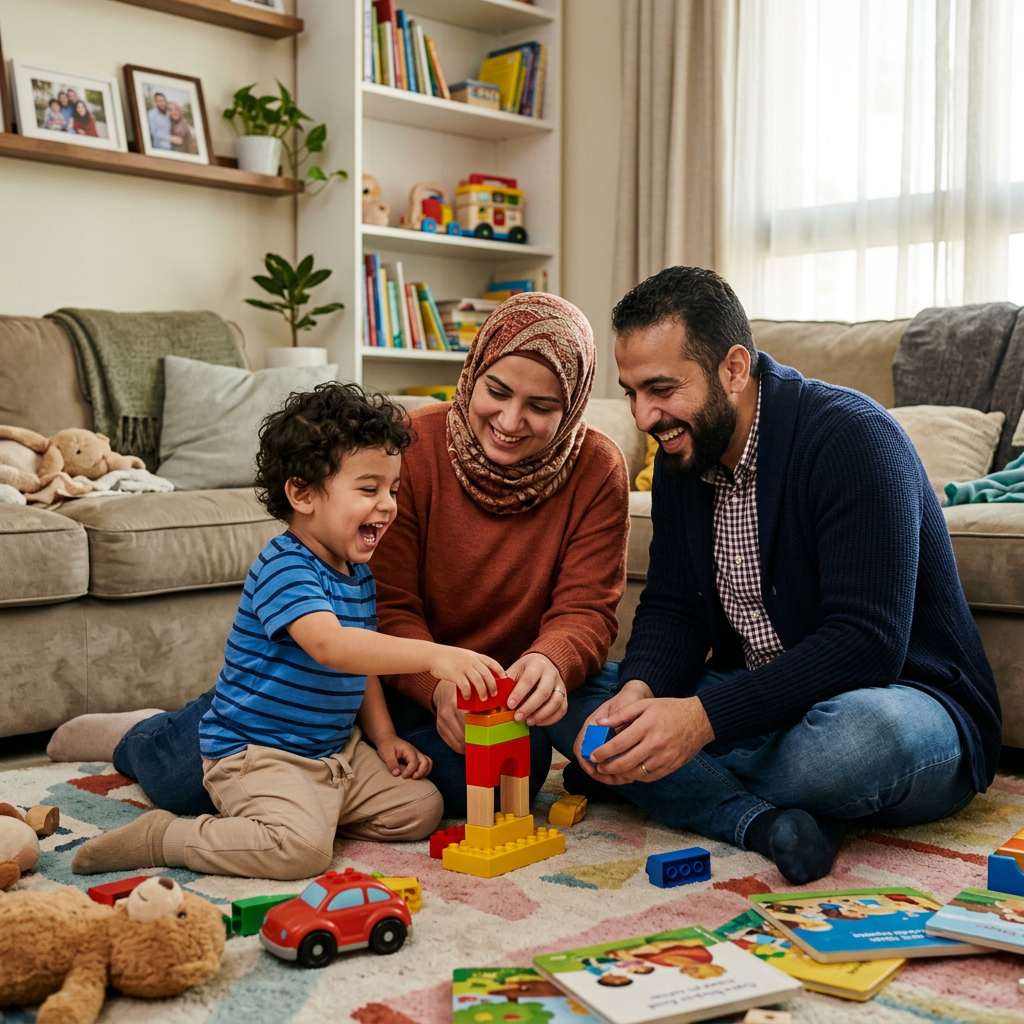
Our early relationships help shape how we see ourselves, how we relate to others, and how we navigate the world. When our emotional and relational needs are consistently unmet, we may develop patterns that once helped us adapt but later create difficulties in adulthood.
Developmental and Relational Trauma Therapy (DARTT) offers a framework for understanding these patterns by exploring six core birthrights: the fundamental experiences of being valuable, vulnerable, imperfect and human, having needs and wants, being spontaneous and joyful, and being attached to others.
These birthrights are not things we have to earn. They reflect fundamental aspects of being human.
When these experiences are disrupted by childhood adversity, relational wounds, neglect, criticism, instability, or other painful experiences, we may develop ways of thinking and behaving that protect us from further hurt. Over time, however, those same patterns can interfere with healthy relationships, emotional well-being, and our ability to live in alignment with our values.
Understanding these patterns is an important step toward change. In counseling, we can begin to recognize how our experiences have shaped us and practice new ways of relating to ourselves and others.
1. The Birthright to Be Valuable
The core birthright: Every person has inherent worth. We deserve to experience ourselves as valuable without having to earn that value through achievement, performance, appearance, or other people’s approval.
When children repeatedly experience rejection, criticism, neglect, or conditional acceptance, they may begin to believe that something about them is fundamentally wrong. They may learn that they must prove their worth, meet others’ expectations, or hide parts of themselves to be accepted.
Presenting issues: Shame versus grandiosity/one-down versus one-up
Disruptions in the experience of being valuable can contribute to different ways of managing our sense of worth.
- Shame and one-down patterns: A person may feel inferior, inadequate, unworthy, or less important than others. They may minimize their accomplishments, tolerate poor treatment, or constantly seek reassurance that they are good enough.
- Grandiosity and one-up patterns: A person may rely on superiority, achievement, status, or being right to maintain a sense of worth. They may struggle to acknowledge mistakes, tolerate criticism, or feel equal to others without needing to be better.
Although these patterns can look very different, both may involve a fragile sense of self-worth. One person may respond to insecurity by shrinking, while another responds by elevating themselves above others.
Core area to practice: Loving “the self”
Counseling can help us develop a healthier, more stable relationship with ourselves.
Practicing self-love does not mean believing we are better than others or excusing harmful behavior. It means learning to recognize our inherent worth while remaining honest about our strengths, limitations, and responsibilities.
This work may involve identifying internalized messages of shame, developing self-compassion, challenging harsh self-judgment, and learning to accept ourselves without needing to prove our value.
The goal is to move toward a more grounded understanding: I have worth because I am human, not because I am perfect or superior to anyone else.
2. The Birthright to Be Vulnerable and Protected
The core birthright: We deserve to experience appropriate protection, care, and safety. Being vulnerable is part of being human, and vulnerability should not automatically mean being exposed to harm.
Children depend on caregivers to provide protection, respond to their needs, and establish safe boundaries. When those responsibilities are not consistently met, children may learn that they must protect themselves in ways that can continue into adulthood.
Presenting issues: Porous versus impermeable/boundary-less versus walls
Difficulties with protection and vulnerability can lead to opposite patterns in how we manage boundaries.
- Porous or boundary-less patterns: A person may have difficulty saying no, recognizing when others cross a line, or distinguishing their own feelings and responsibilities from those of other people. They may overextend themselves, tolerate mistreatment, or disclose more than feels safe.
- Impermeable or wall-building patterns: A person may keep others at a distance, avoid vulnerability, resist support, or become highly guarded. They may find it difficult to let others know them deeply, even when they want connection.
Both patterns can serve as attempts to protect ourselves. One involves allowing too much access; the other involves allowing too little.
Core area to practice: Protecting “the self”
Counseling can help us develop boundaries that protect our well-being while still allowing meaningful connection.
This includes learning to recognize our limits, identify unsafe or unhealthy dynamics, communicate boundaries clearly, and tolerate the discomfort that can accompany saying no.
It can also involve learning when it is appropriate to let our guard down, ask for support, and allow trustworthy people to get closer.
Healthy protection is neither constant defensiveness nor unrestricted access. It involves making thoughtful choices about what we share, what we accept, and whom we allow into our lives.
The goal is to develop the ability to protect ourselves without having to shut ourselves off from others.
3. The Birthright to Be Imperfect and Fully Human
The core birthright: We deserve room to be human. That includes making mistakes, experiencing difficult emotions, having limitations, learning through experience, and taking responsibility when we get something wrong.
Children need opportunities to explore, fail, express emotions, and learn without feeling that mistakes make them unlovable or fundamentally bad.
When acceptance feels conditional on good behavior or achievement, a child may learn to suppress “unacceptable” parts of themselves or hide mistakes to maintain approval.
Presenting issues: Good and perfect versus acting out
Disruptions in this birthright can contribute to two contrasting patterns.
- Good and perfect patterns: A person may become excessively compliant, perfectionistic, or focused on meeting expectations. They may suppress anger, sadness, needs, and impulses to avoid disapproval. Mistakes can trigger disproportionate shame or fear.
- Acting-out patterns: A person may express distress through impulsive, disruptive, or self-defeating behaviors. They may struggle to tolerate frustration, regulate emotions, or take responsibility for the effects of their actions.
These patterns are not necessarily conscious choices. They can reflect different ways of managing difficult emotions, unmet needs, and fears about acceptance.
Importantly, acting out is not a diagnosis, and perfectionism does not automatically indicate trauma. Understanding the broader context of a person’s experiences is essential.
Core area to practice: Knowing “the self”
Counseling can help us develop a more honest and integrated understanding of who we are.
This means learning to recognize our emotions, thoughts, needs, strengths, limitations, and behavioral patterns without automatically condemning or denying parts of ourselves.
We can practice acknowledging mistakes without collapsing into shame, expressing difficult emotions without acting destructively, and taking responsibility without defining ourselves by our worst moments.
The goal is not to become a person who never struggles. It is to become someone who can recognize what is happening internally and respond intentionally.
We can acknowledge our imperfections, take responsibility for our choices, and still regard ourselves as worthy human beings.
4. The Birthright to Have Needs and Wants
The core birthright: We are allowed to have needs, preferences, desires, and hopes. Having needs is not a character flaw, and wanting something does not automatically make us selfish.
Children rely on caregivers to help them understand and respond to their needs. When their needs are repeatedly dismissed, criticized, or treated as burdensome, they may learn to disconnect from them.
They may also learn that getting their needs met requires depending excessively on others or abandoning their own preferences.
Presenting issues: Anti-dependent versus dependent, or needless and wantless
Difficulties in this area can appear in several forms.
- Anti-dependent patterns: A person may insist on handling everything alone, resist help, or experience dependence as weakness. They may value self-sufficiency so strongly that they struggle to receive support.
- Dependent patterns: A person may have difficulty making decisions independently, trusting their judgment, or feeling secure without frequent reassurance or support from others.
- Needless or wantless patterns: A person may struggle to identify what they need or want at all. They may habitually prioritize everyone else, dismiss their preferences, or feel guilty for asking for anything.
These patterns can reflect different ways of adapting to experiences in which needs were unmet, unsafe to express, or difficult to manage.
Core area to practice: Taking care of “the self”
Counseling can help us reconnect with our needs and learn to respond to them responsibly.
This may involve identifying emotions and bodily signals, clarifying personal values and preferences, practicing assertive communication, setting limits, and learning to ask for help when appropriate.
It also means distinguishing between recognizing a need and expecting someone else to meet it in exactly the way we want. We can honor our needs while respecting the autonomy and needs of other people.
Taking care of ourselves is not selfishness. Nor does it require doing everything alone.
The goal is to develop a healthier balance between independence and interdependence: I can recognize my needs, take responsibility for them, and allow others to support me when appropriate.
5. The Birthright to Be Spontaneous and Joyful
The core birthright: We deserve opportunities for play, creativity, curiosity, pleasure, and joy. Life is not meant to consist entirely of responsibility, vigilance, productivity, and managing problems.
Children naturally explore their environments, play, experiment, and express themselves. When their surroundings are dominated by fear, instability, excessive expectations, or the need to monitor other people’s emotions, spontaneity may feel unsafe.
Over time, a person may struggle to relax or experience enjoyment without guilt.
Presenting issues: Overcontrolled versus out of control
Difficulties with spontaneity and joy can show up through contrasting patterns.
- Overcontrolled patterns: A person may be rigid, excessively responsible, perfectionistic, or uncomfortable with uncertainty. They may feel compelled to plan everything, suppress impulses, or maintain control to prevent something from going wrong.
- Out-of-control patterns: A person may struggle with impulsivity, emotional regulation, or behaviors that provide immediate relief but create longer-term consequences. They may find it difficult to pause, consider options, and act in accordance with their intentions.
These patterns are not simply differences in personality. In some cases, they may reflect attempts to manage distress, uncertainty, or uncomfortable emotions. Other explanations may also be relevant, so individual circumstances matter.
Core area to practice: Moderating “the self”
Counseling can help us develop flexibility in how we manage emotions, impulses, responsibilities, and pleasure.
For someone who tends toward overcontrol, this may involve practicing flexibility, tolerating uncertainty, resting without guilt, and making room for unstructured enjoyment.
For someone who struggles with undercontrol, it may involve learning to pause, recognize triggers, regulate emotions, consider consequences, and choose behaviors that align with personal values.
Moderation does not mean suppressing every impulse or indulging every desire. It means developing the capacity to respond thoughtfully rather than being driven by rigid rules or immediate urges.
The goal is to build a life that includes both responsibility and enjoyment, both structure and flexibility.
Healing makes room not only for surviving life, but also for participating in it with curiosity, pleasure, and joy.
6. The Birthright to Be Attached and Connected
The core birthright: We are relational beings who need connection, belonging, affection, and meaningful relationships. We deserve opportunities to experience closeness while maintaining our individuality.
Early relationships influence how we learn to seek comfort, respond to separation, trust others, and manage emotional closeness. When caregiving is inconsistent, rejecting, frightening, or unavailable, connection can become a source of both longing and fear.
These early experiences can influence adult relationships, although they do not determine them. Attachment patterns can also vary across relationships and change over time.
Presenting issues: Anxious-ambivalent versus avoidant or disorganized
Difficulties with attachment can take several forms.
- Anxious-ambivalent patterns: A person may fear abandonment, seek frequent reassurance, become highly sensitive to changes in a partner’s availability, or struggle to feel secure in relationships.
- Avoidant patterns: A person may minimize emotional needs, withdraw when relationships become intimate, or rely on distance and self-sufficiency to manage discomfort.
- Disorganized patterns: A person may experience conflicting impulses to seek and avoid closeness. They may long for connection while also experiencing it as threatening or unpredictable.
These descriptions are ways of understanding relational patterns, not fixed identities or diagnoses. A person’s experiences may be more complex than any single category suggests.
Core area to practice: Connecting “the self” to others
Counseling can help us understand how we approach closeness and develop healthier ways of relating.
This may include learning to communicate needs directly, tolerate vulnerability, recognize relationship triggers, establish appropriate boundaries, repair conflict, and develop trust gradually.
It can also involve learning to stay emotionally present during difficult conversations rather than automatically pursuing reassurance or withdrawing from connection.
For couples, this work can be especially meaningful. Past relational wounds may influence how partners interpret each other’s behavior, respond to conflict, and experience intimacy. Counseling can help partners recognize these patterns and practice more constructive ways of responding to one another.
The goal is not to eliminate our need for other people. It is to develop the ability to connect with others while remaining grounded in ourselves.
Healthy connection allows us to experience both closeness and individuality.
Bringing the Six Birthrights Together
The six birthrights are interconnected. When one area is disrupted, the effects can ripple into others.
For example, someone who doubts their own worth may work constantly to earn approval. They may struggle to express needs, set boundaries, or tolerate mistakes. They may become overly controlled in an effort to prevent rejection, while simultaneously longing for deeper connection.
Another person may protect themselves by avoiding vulnerability, insisting on independence, and keeping relationships at a distance. These strategies may have helped them navigate earlier experiences but may now interfere with the closeness they want.
In both situations, understanding the underlying pattern creates an opportunity for change.
The six core areas of practice offer a direction for that work:
- Loving the self: Developing a more stable sense of worth and treating ourselves with compassion.
- Protecting the self: Establishing healthy boundaries and making room for vulnerability when it is safe.
- Knowing the self: Recognizing our emotions, thoughts, needs, limitations, and behavioral patterns.
- Taking care of the self: Identifying our needs and responding to them in responsible, healthy ways.
- Moderating the self: Developing flexibility and the ability to regulate impulses, emotions, and behaviors.
- Connecting the self to others: Building relationships that support trust, intimacy, mutual respect, and belonging.
These areas are not a checklist that everyone must complete in the same order. Counseling is an individualized process, and the work will look different depending on each person’s history, needs, strengths, and goals.
How Counseling Can Help You Reclaim Your Birthrights
The patterns we develop in response to difficult experiences often make sense in the context of our histories. They may have helped us avoid rejection, maintain a sense of control, protect ourselves from harm, or preserve important relationships.
But a strategy that once helped us cope may no longer serve us well.
Healing involves more than understanding why we developed certain patterns. It also involves practicing new ways of responding in the present.
At Room to Rise Counseling, I work with adults navigating developmental and relational trauma, relationship difficulties, betrayal, compulsive sexual behaviors, and other concerns that can affect how people experience themselves and their relationships.
My approach combines compassion with practical tools. Together, we can explore how your experiences have shaped you, identify patterns that are no longer serving you, and work toward changes that support your well-being and relationships.
You do not have to remain defined by the ways you learned to cope.
You can learn to value yourself without needing to prove your worth, protect yourself without shutting others out, accept imperfection without surrendering responsibility, honor your needs without disregarding others, experience joy without constant control, and build meaningful connections without losing yourself.
Your history may help explain the patterns you carry, but it does not have to determine your future.
If you are interested in exploring counseling, Room to Rise Counseling offers a free initial consultation to discuss your concerns, goals, and whether working together may be a good fit.
References & Further Reading
Bergstrom, J. M. (2025). Gifts from a challenging childhood: Healing the legacy of childhood trauma. Mountain Stream Publishing Company.
Healing Our Core Issues Institute. (n.d.). About HOCII. https://www.healingourcoreissuesinstitute.com/about
Healing Our Core Issues Institute. (n.d.). Online courses: Healing our core issues and developmental and relational trauma treatment. https://www.healingourcoreissuesinstitute.com/hocii-healing-our-core-issues-online-courses-introduction-to-healing-our-core-issues-developmental-relationship-trauma-dart-series
Mellody, P. (2003). Facing codependence: What it is, where it comes from, how it sabotages our lives. HarperCollins.